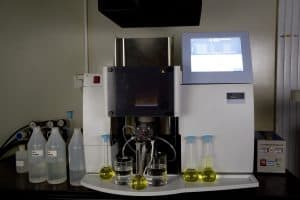
Precious Metals Lab Testing Singapore
Precious metals lab testing in Singapore covers purity assay, composition analysis and sample verification for gold, silver, platinum and palladium. Results are usually issued as a formal certificate, and the lab you choose determines how far that certificate can be relied on.
The main testing types
Purity assay measures the precious metal content, usually by fire assay for gold and silver. Composition analysis identifies other elements in an alloy or scrap, which affects how the material is priced and processed. Verification testing checks whether an item matches its declared specification, for example after a dispute or before a large sale.
Choosing an accredited lab
Accreditation shows that a lab has been independently assessed for competence in specific methods. Check that the accreditation covers the method you need and the metals you are testing, and ask for the current scope of accreditation rather than a general claim.
Reading the certificate
- The laboratory name, accreditation and report date.
- The method used and the measured values.
- The stated uncertainty of each result.
- A reference number that links the certificate to the sample.
Sample integrity
A result is only as good as the sample it came from. Agree how material will be sampled, sealed, labelled and transported. Keep a retained sample where a dispute is possible, and record who took custody at each step.
When to use an independent lab
If buyer and seller disagree, or if the value of a transaction is large, an independent lab reduces the risk of a biased result. Agree in advance who appoints the lab and who pays for re-testing.
Turnaround and Cost
Turnaround depends on the test method, the number of samples and the lab’s workload. Ask for the expected time for each method, and whether rush testing is available. Compare fees on a per-sample basis, and check whether re-testing or certificate reissue is charged separately.
Common Mistakes
Common mistakes include testing an unrepresentative sample, relying on a certificate from a lab that is not accredited for the method, and failing to match the certificate reference to the item. Each of these can make an otherwise good result unusable.
Next steps
Speak to our team about your question.
This article is general information, not financial, legal or tax advice.